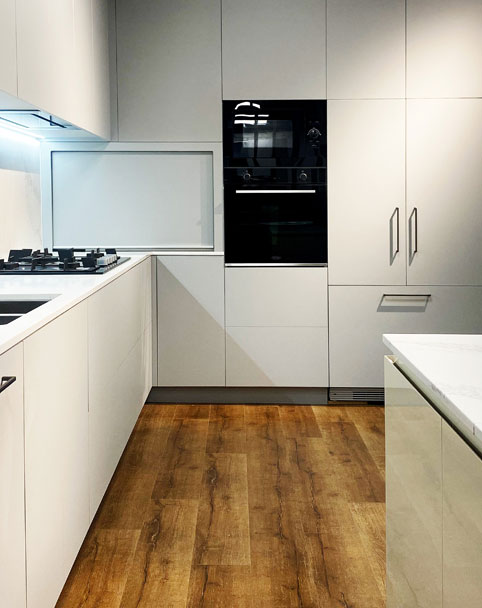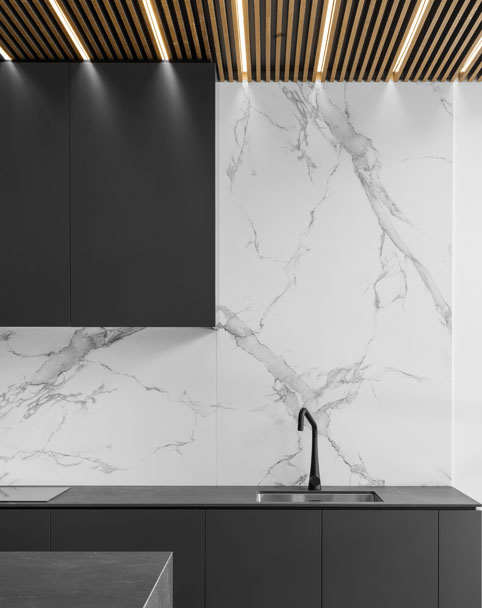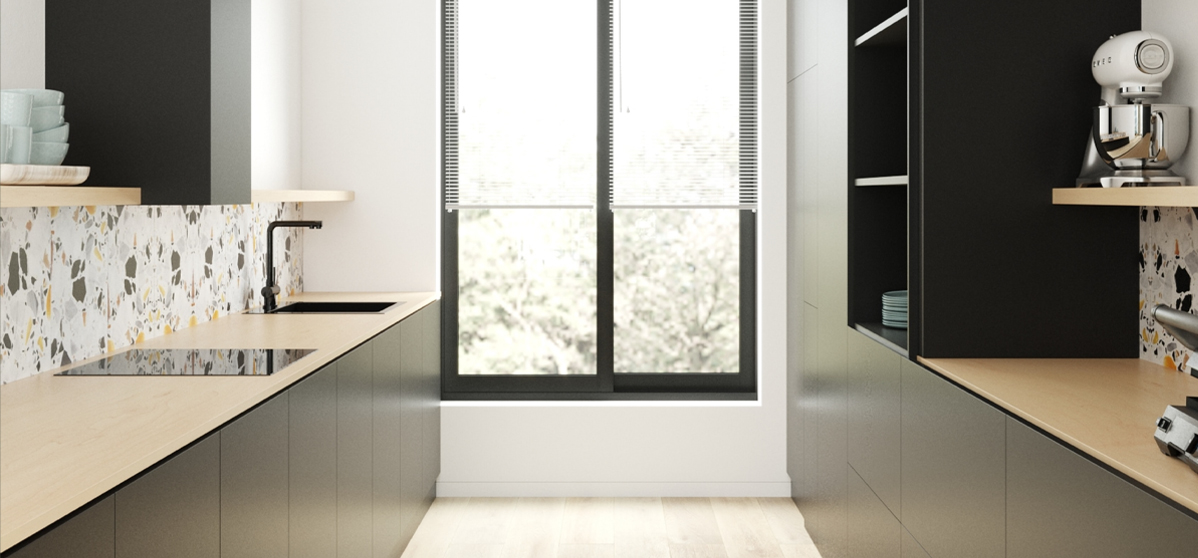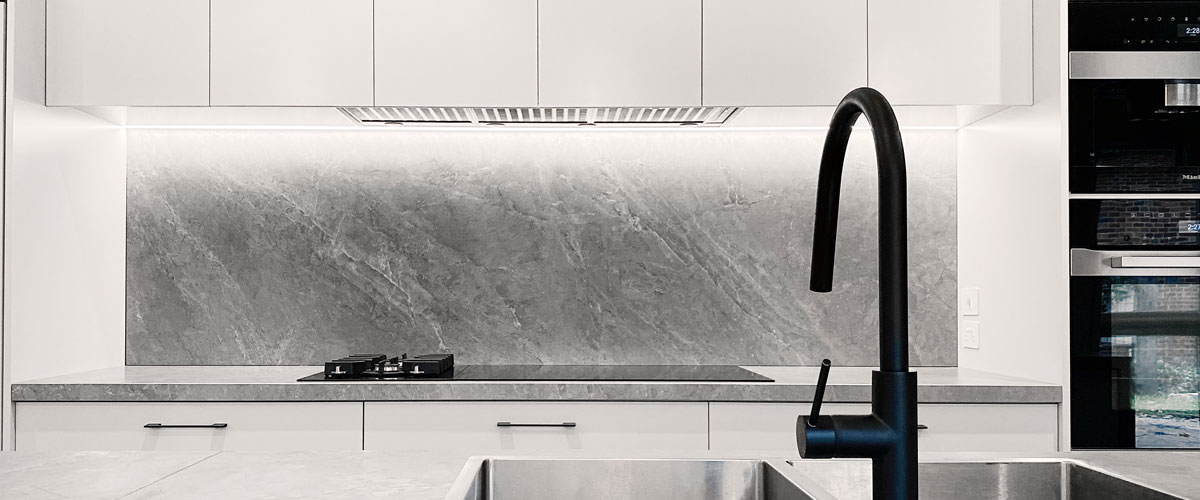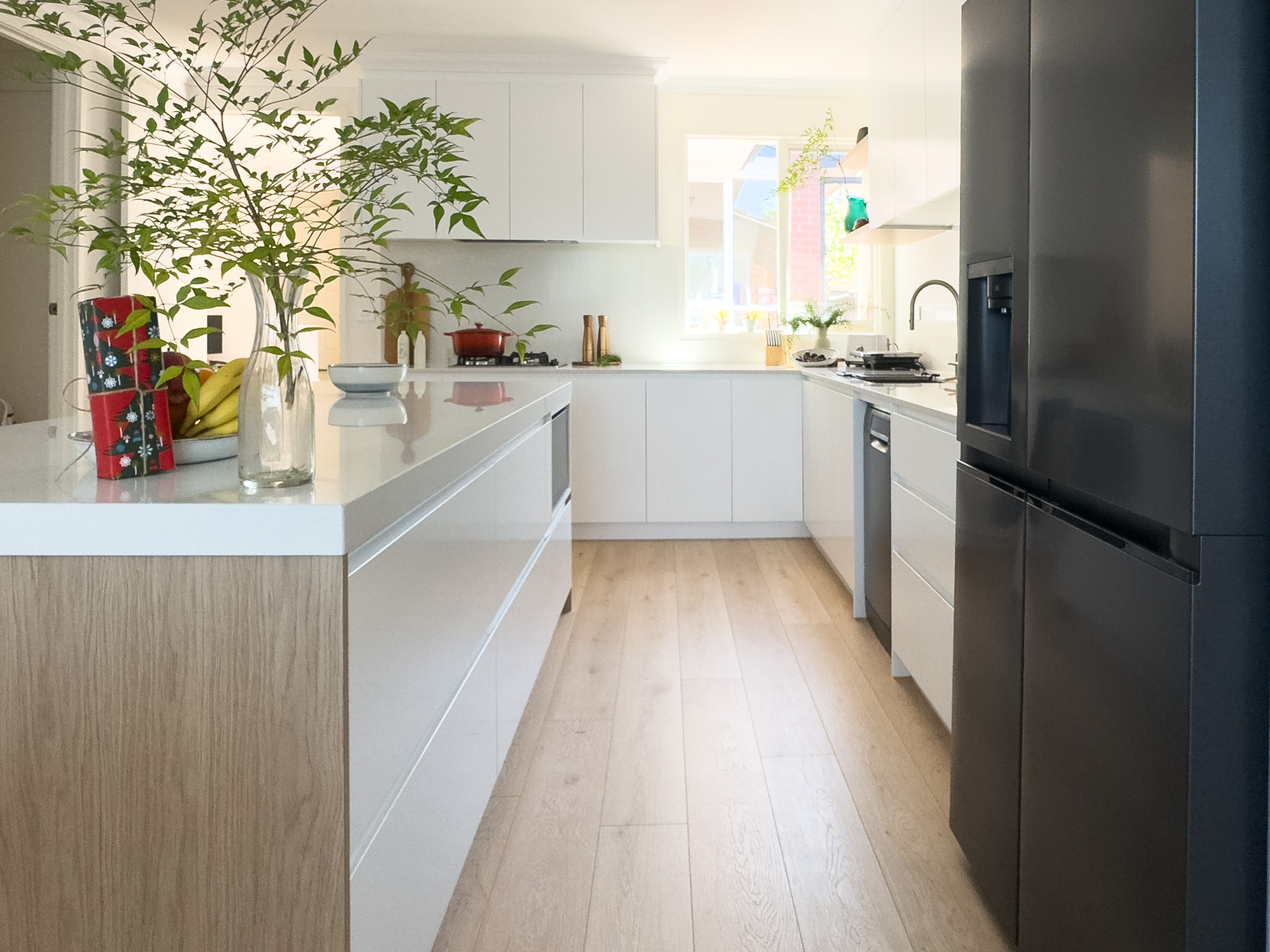
Selecting the right kitchen cabinetry materials is one of the most important decisions in any kitchen renovation. Your choice of substrate and finish affects how your kitchen looks, performs, and lasts. This kitchen cabinetry guide walks you through the main options so you can make a confident, informed decision.
Solid Wood vs. Engineered Substrates: Which Should You Choose?
The foundation of any cabinetry project is the material used for the cabinet box and door. Understanding the distinction between solid timber and engineered options is essential before making a decision.
The Case for Solid Timber
Solid timber offers a timeless aesthetic, natural warmth, and the ability to be refinished over time. Oak, maple, and walnut are popular choices for doors and drawer fronts. However, solid wood is susceptible to moisture and seasonal movement, which can cause warping in kitchens with high steam and humidity.
Why Engineered Substrates Are the Practical Choice
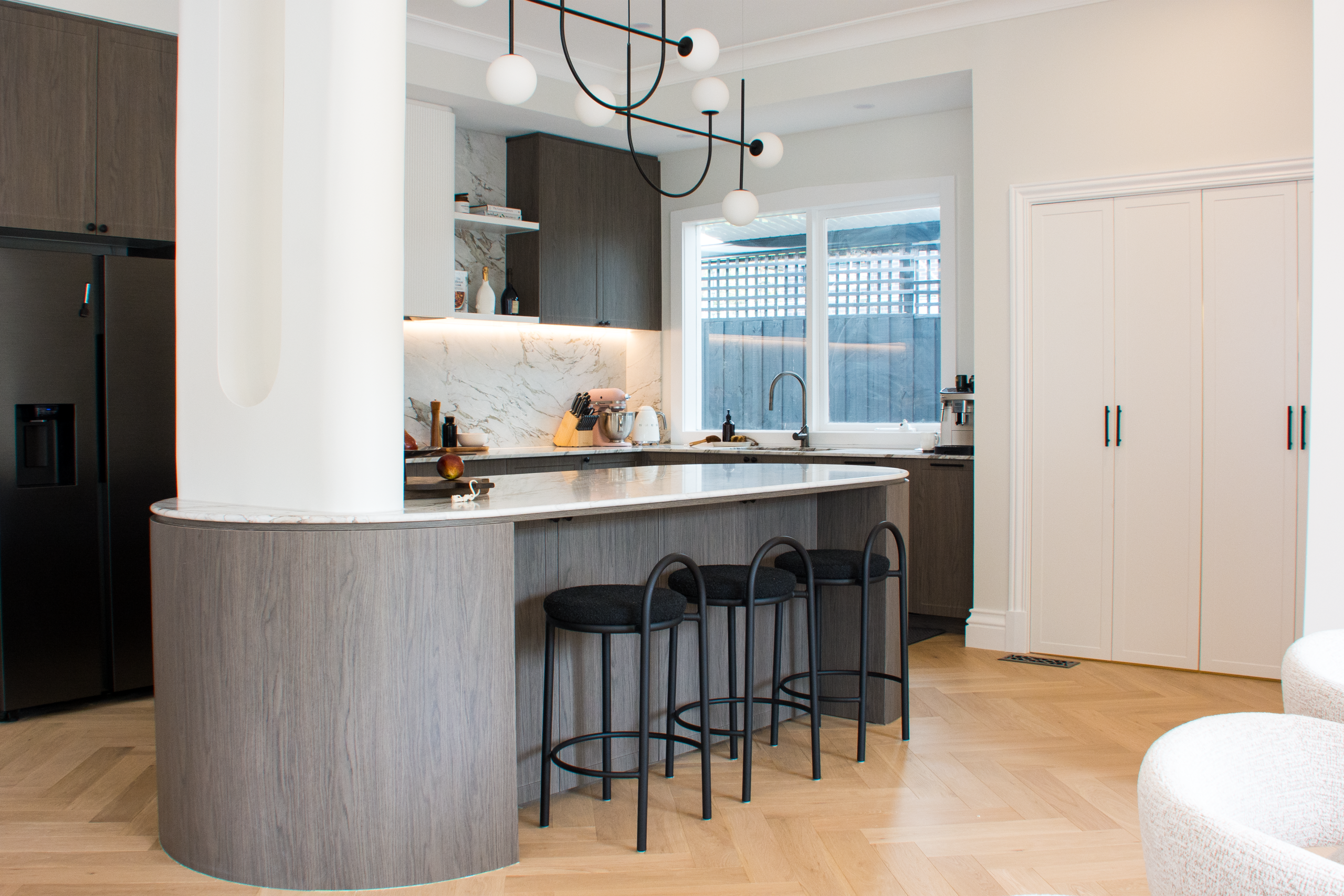
Engineered substrates, including MDF and moisture-resistant particleboard, offer dimensional stability that solid timber cannot always match. E0 MDF and moisture-resistant particleboards are particularly well-suited to Melbourne kitchens, where seasonal changes and daily cooking create a demanding environment. Custom builders frequently choose engineered substrates for cabinet boxes because of their consistency and resistance to warping.
Cabinet Surface Finishes: Acrylic, Laminate and Veneer
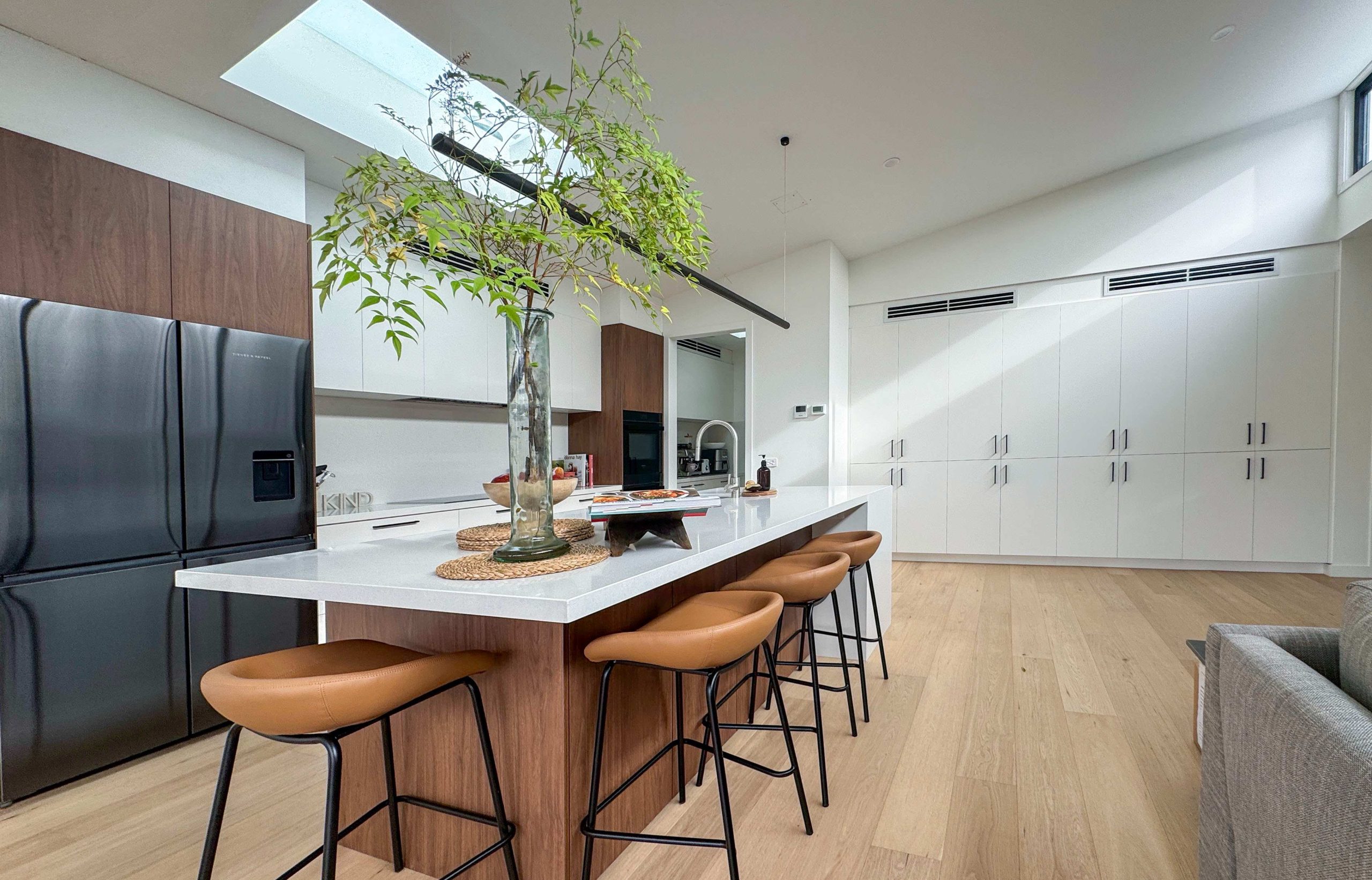
The surface finish defines how your cabinetry looks and responds to daily contact. Kitchen cabinetry finishes fall into three main categories, each with distinct characteristics.
Acrylic Kitchen Cabinetry
Acrylic kitchen cabinetry delivers a high-gloss or matte finish with a smooth, reflective surface that is easy to wipe clean. It suits contemporary and modern kitchen styles well. Acrylic panels are resistant to moisture and UV fading, though they can show fingerprints more readily than other finishes and may scratch if cleaned with abrasive materials.
Laminate Kitchen Cabinetry
Although Laminate are widely used on benchtops, they can also be used for cabinetry. Products from suppliers such as Laminex, Polytec, and many others offer an extensive range of colours, textures, and patterns, including timber-look options that suit a wide variety of design directions. Laminate is a very tough material against scratches and even chemicals. However, they can be very brittle and chip if not properly edged. Also, laminate is relatively expensive compared to melamine.
Wood Veneer Finishes
Wood veneer applies a thin layer of real timber over an engineered substrate, delivering the warmth and grain of natural wood with improved dimensional stability. Veneer is a strong option for those who want the look of wooden kitchen cabinetry without the maintenance concerns of solid timber in a high-use kitchen environment.
How Do Different Materials Hold Up Over Time?
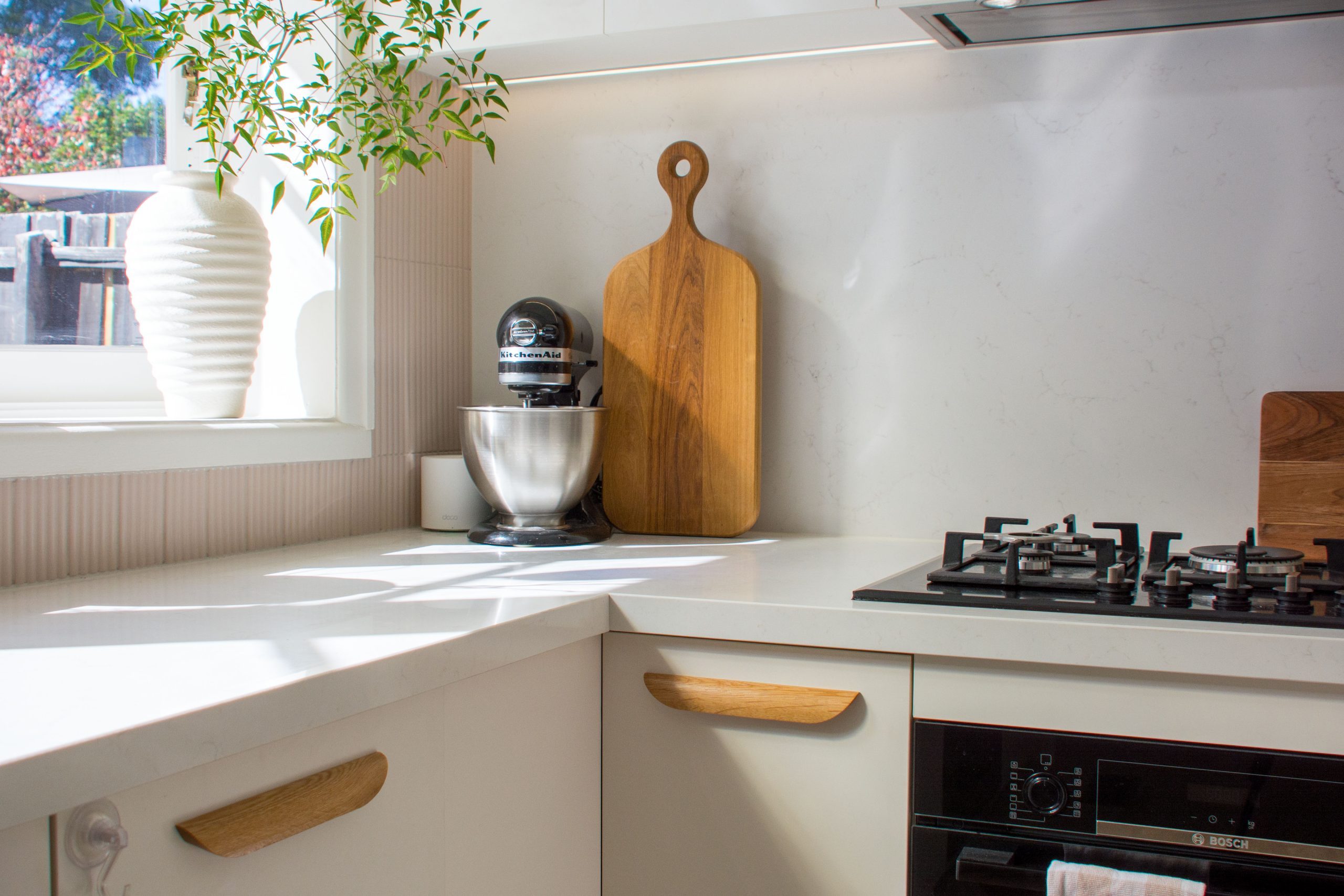
Durability is a core consideration in any decision about kitchen cabinetry materials. Each finish type has different maintenance requirements and lifespans under everyday use.
Maintenance by Finish Type
Melamine and acrylic surfaces are the easiest to maintain: a damp cloth and mild detergent are usually sufficient. Veneer requires a little more care: avoid prolonged exposure to moisture and use appropriate cleaning products. Solid timber doors benefit from periodic conditioning to preserve the grain and prevent drying. 2pac, by comparison, can get chipped when struck by harder material.
For your kitchen renovation, planning for long-term maintenance at the design stage prevents costly repairs later.
Hardware Quality Matters Too
Material quality is only one part of the longevity equation. Cabinet hardware, including hinges, drawer runners, and soft-close mechanisms, plays a significant role in how cabinetry feels and performs over time.
Blum European hardware, for example, is rated for lifetime use, and KIND Kitchens backs most of its European hardware with a lifetime warranty.
How to Compare Kitchen Cabinetry Materials: Cost, Durability and Style
Not all kitchen cabinetry materials are equal in cost or performance, and finding the right balance depends on how you use your kitchen and what you value most in a design.
Custom vs. Flat-Pack: A Material Quality Gap
The difference between custom vs flat-pack cabinetry comes down to more than price, it is a fundamental gap in engineering and longevity. Flat-pack cabinetry relies on standardised dimensions and uniform substrate densities that cannot adapt to uneven walls or heavy-duty use over time.
Custom cabinetry allows precise selection of substrate, finish, and hardware to match your kitchen's specific demands. This is where in-house manufacturing makes a meaningful difference: every cabinet is built to specification, not to a catalogue. When you compare kitchen benchtops and finishes alongside substrate choices, custom design ensures every element integrates seamlessly for a cohesive, long-lasting space.
FAQ: Common Questions About Kitchen Cabinetry Materials
This kitchen cabinetry guide addresses the most common questions homeowners ask when navigating their options.
Build Your Kind of Kitchen with KIND Kitchens
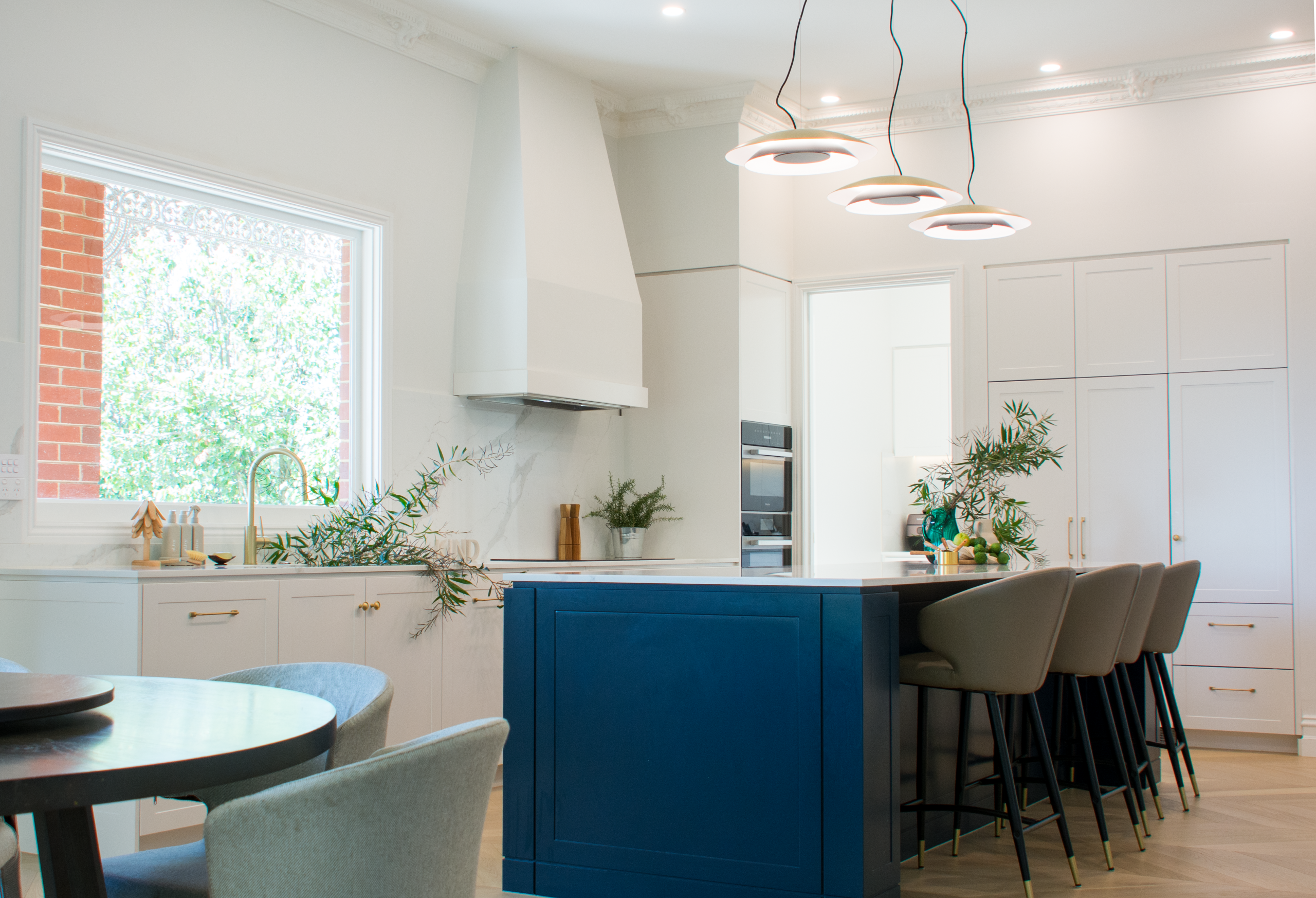
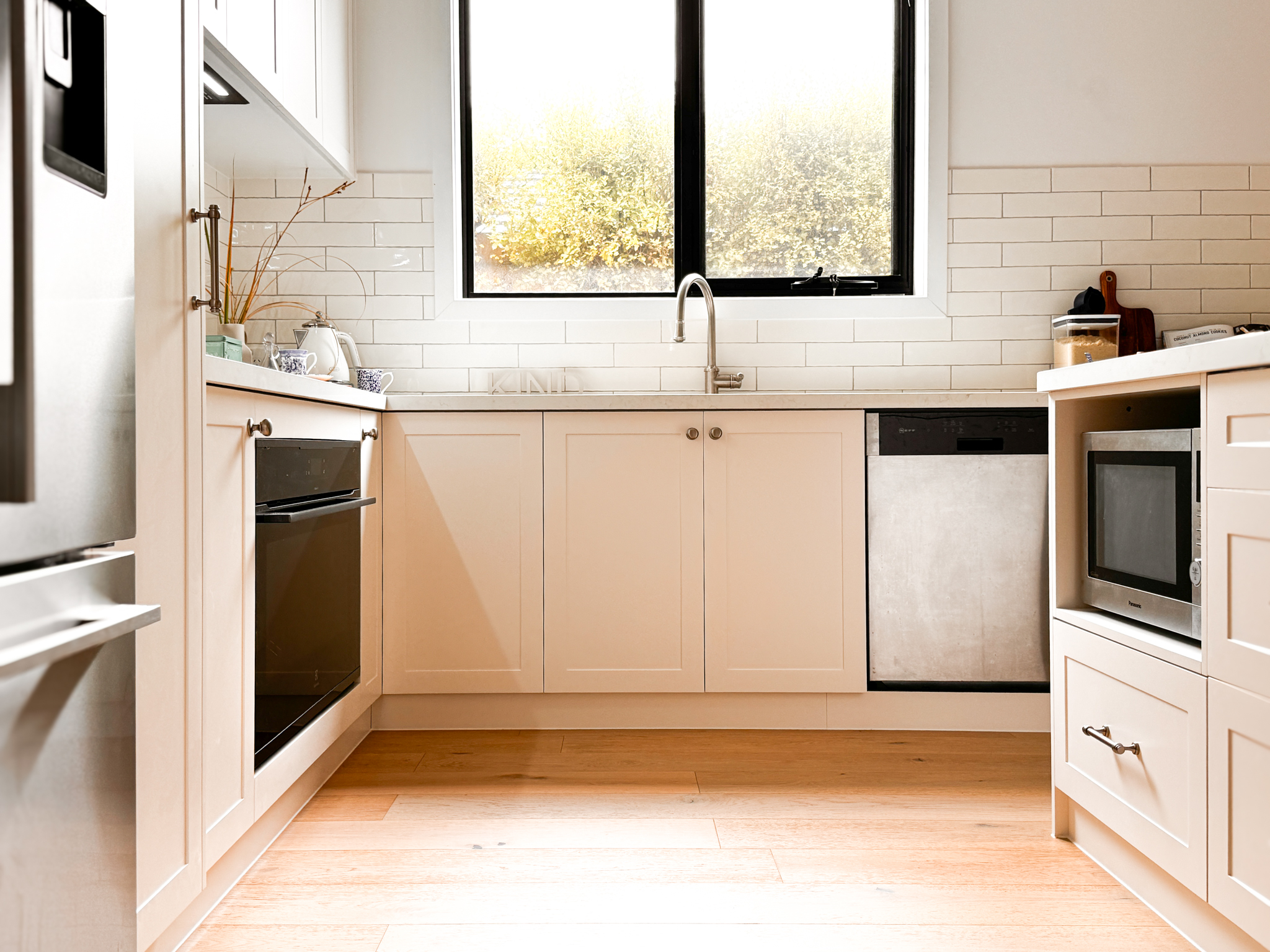
Choosing the right kitchen cabinetry materials is easier when you have an experienced design team guiding the process. KIND Kitchens designs and manufactures custom cabinetry in-house, giving our team precise control over substrate selection, finish pairing, and hardware specification.
Our kitchen designs are built around the way you live, not around what is available in a catalogue. Every material decision is made with your kitchen's layout, usage, and longevity in mind.
Book a free home visit and design consultation with our Melbourne team to explore your material options and start planning a kitchen built to last.